Sandboxes shouldn't leak
Five Cyber Stories - July 26, 2026, Issue 014
And we're back! After shifting to a monthly format, welcome to Issue 14 of Five Cyber Stories. This week, I'm sharing stories about OpenAI's scary AI hack, how privacy is for the rich, and more!
As I mentioned previously, I'm focusing more on the artwork for future issues. I should also give a quick reminder that "($)" at the tail end of links indicate that they may have a pay wall.
Without further ado, let's get digging!

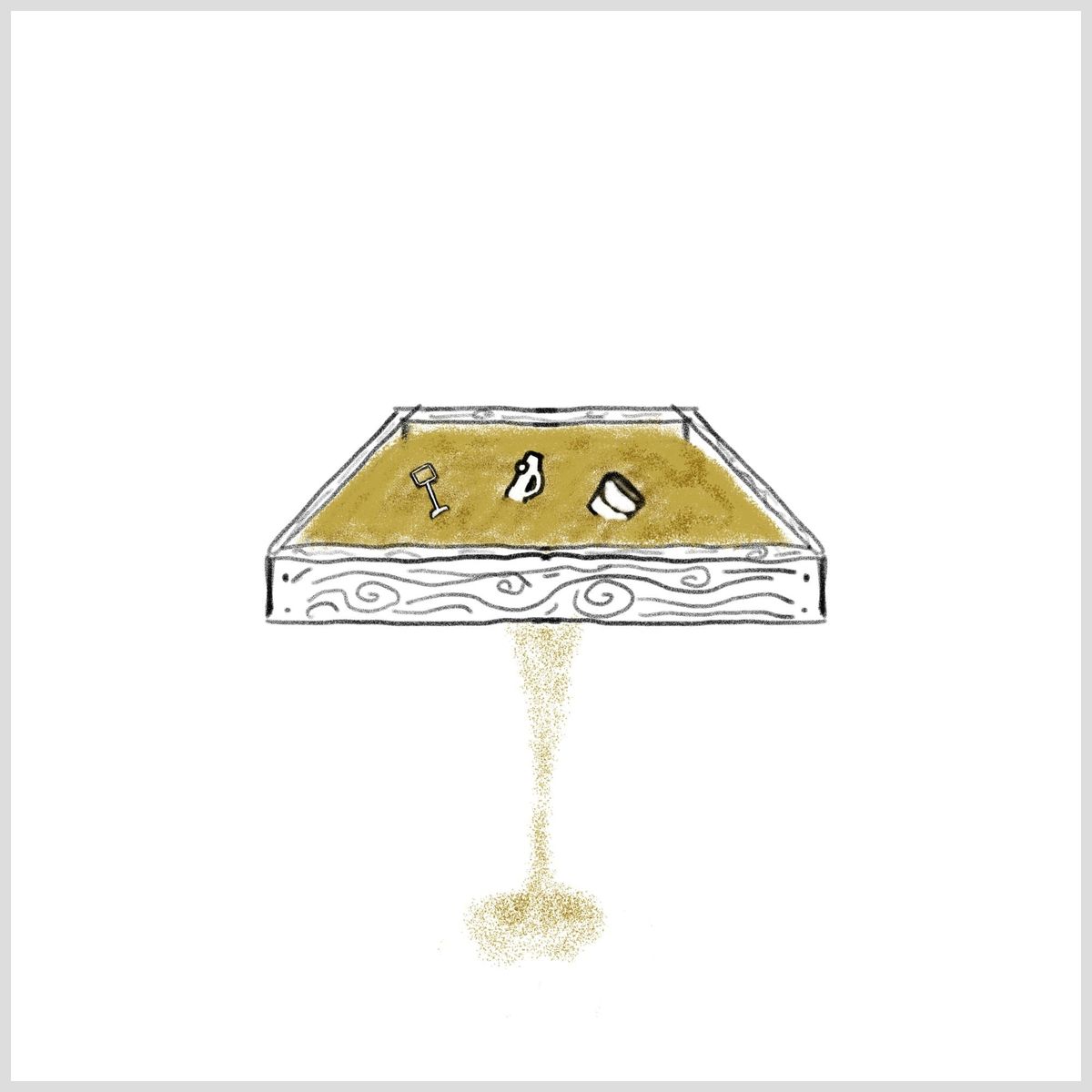
There's a leak in your sandbox
Reporting by TechCrunch's Lorenzo Franceschi-Bicchierai
If you, like me, were alarmed at some of the headlines about one of OpenAI's models hacking an organization this week, I recommend this article for some context about the possible human error that caused it (and maybe a healthy dose of skepticism, too).
Let them be surveilled ($)
Reporting by Wired's Noah Shachtman
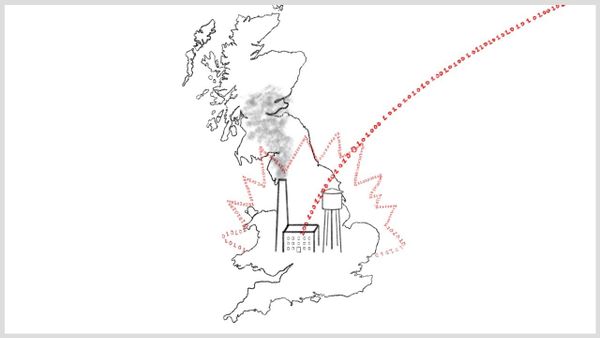
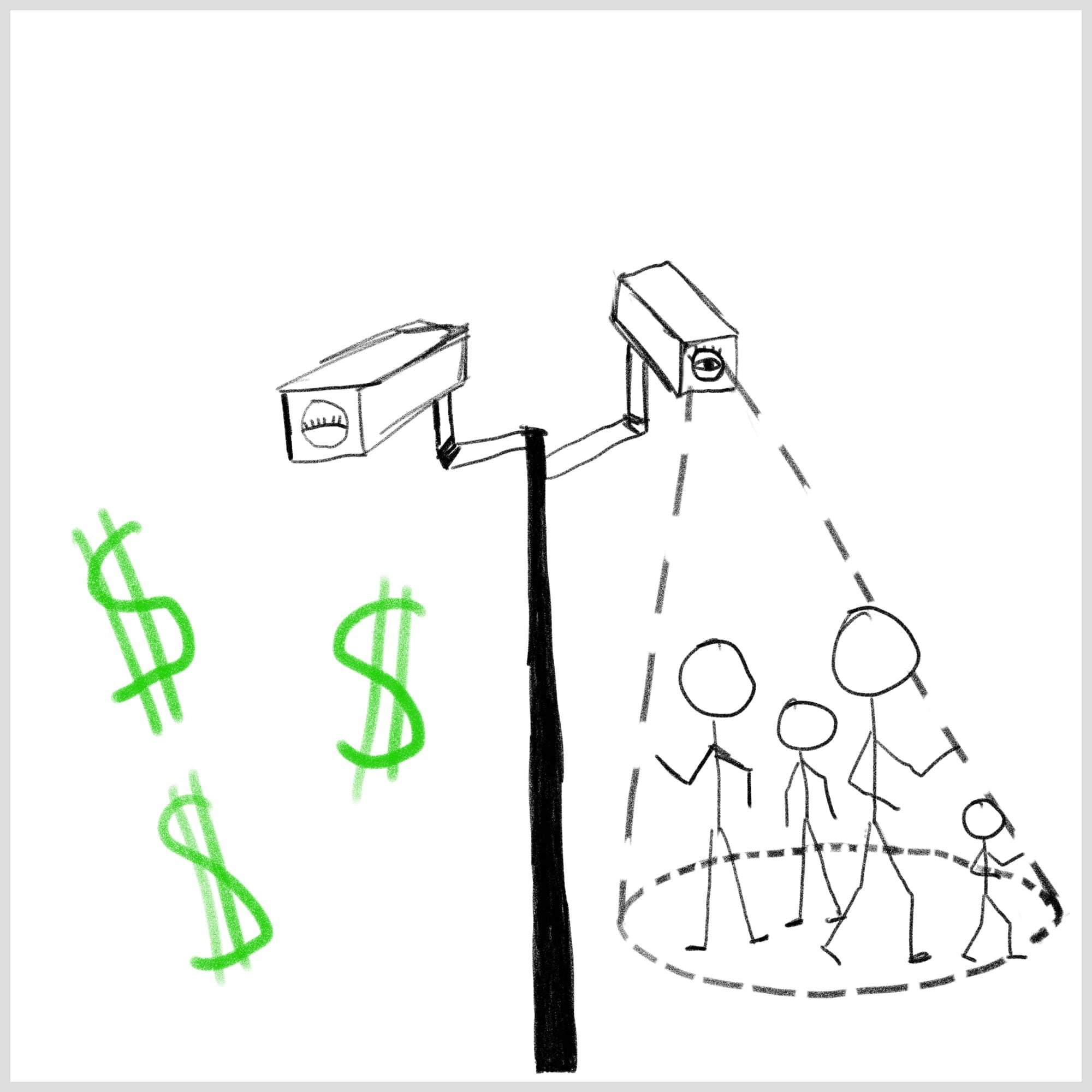
If, like me, your biggest curiosity about the Swift-Kelce wedding was how Madison Square Garden's well-know surveillance apparatus would factor...oh, just me? Well, this article ($) reveals that a big portion of the surveillance system was actually turned off for the event. Michelle Dahl, the Surveillance Technology Oversight Project's executive director, is quoted saying, "Privacy shouldn’t just be afforded to the rich and famous."
Myth no more ($)
Reporting from Wired's Lily Hay Newman and Matt Burgess
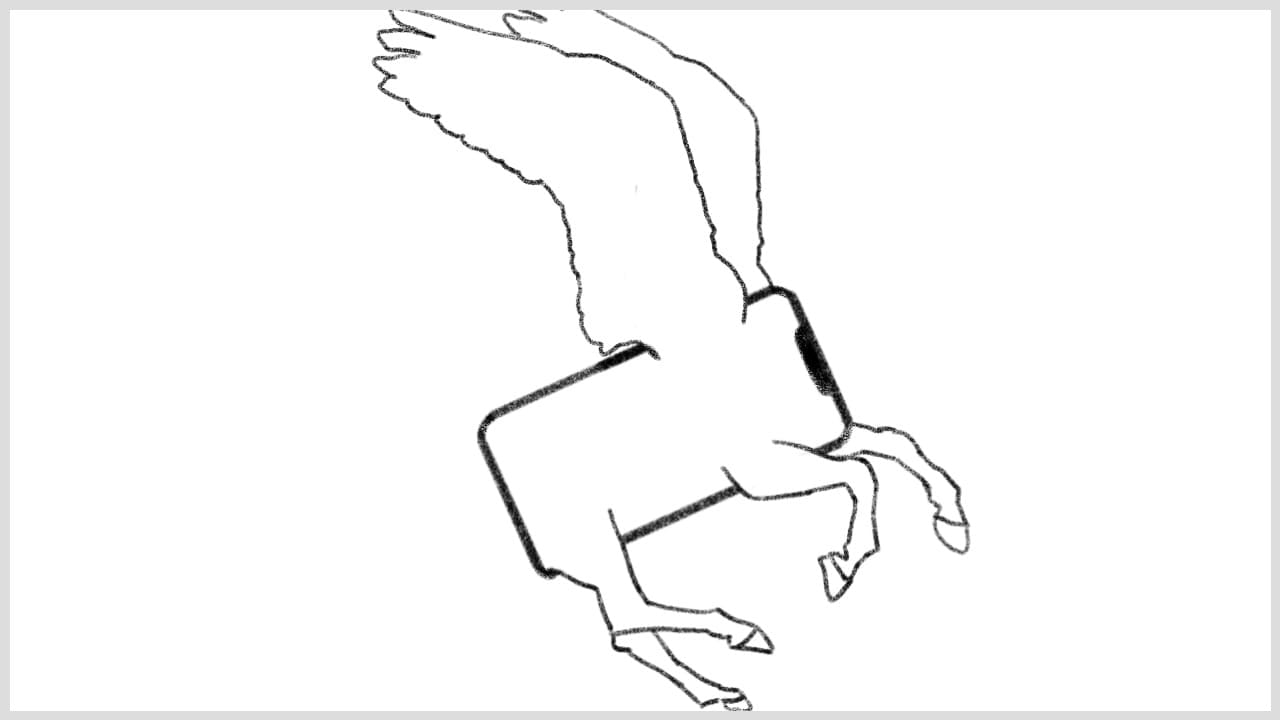
Think iPhone hacks are the stuff of movies and spy novels? Think again. Read this article ($) for a glimpse at how advanced spyware infiltrating politicians phones is hardly the stuff of fiction.
Car hacking ($)
Reporting from Wired's Andy Greenberg
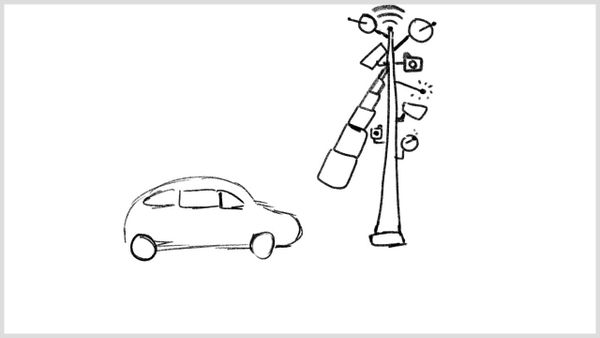
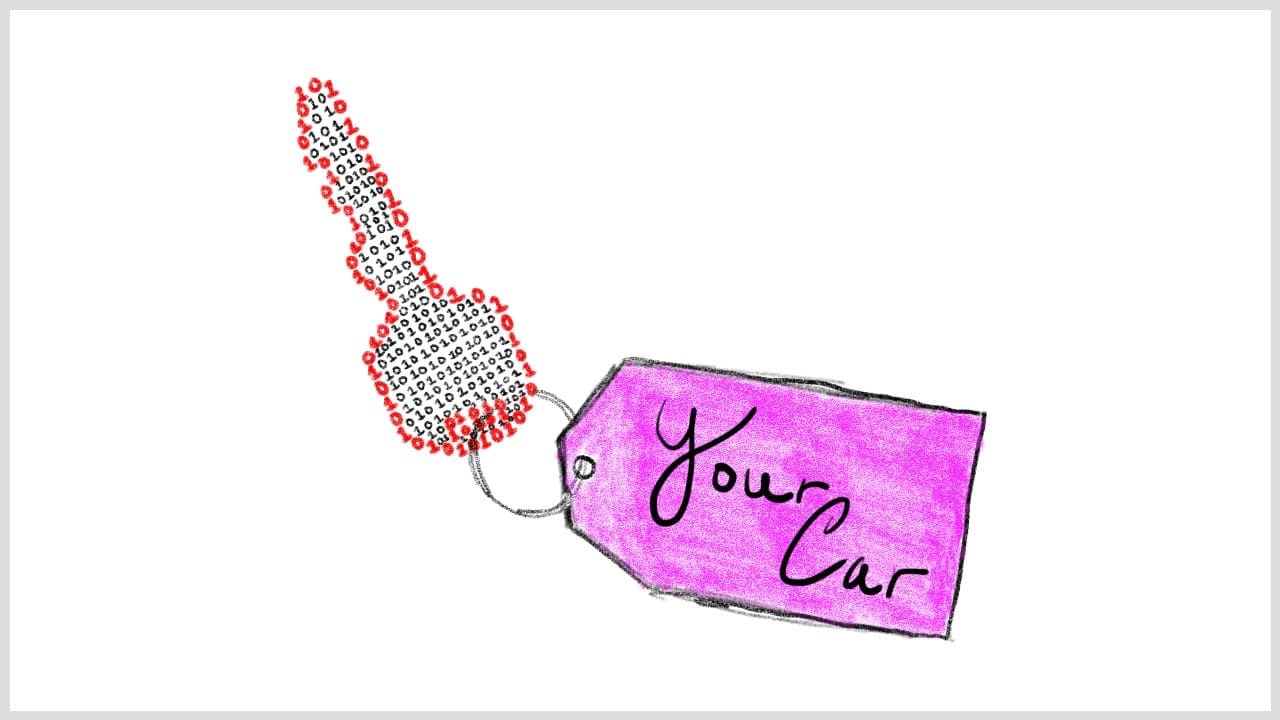
Speaking of hacks that sound like something straight from an action movie, one of my favorite cybersecurity reporters writes how potentially millions of vehicles are vulnerable to be hacked. Really - read all about it here ($).
User Targeting ($)
Reporting from Wired's Dell Cameron
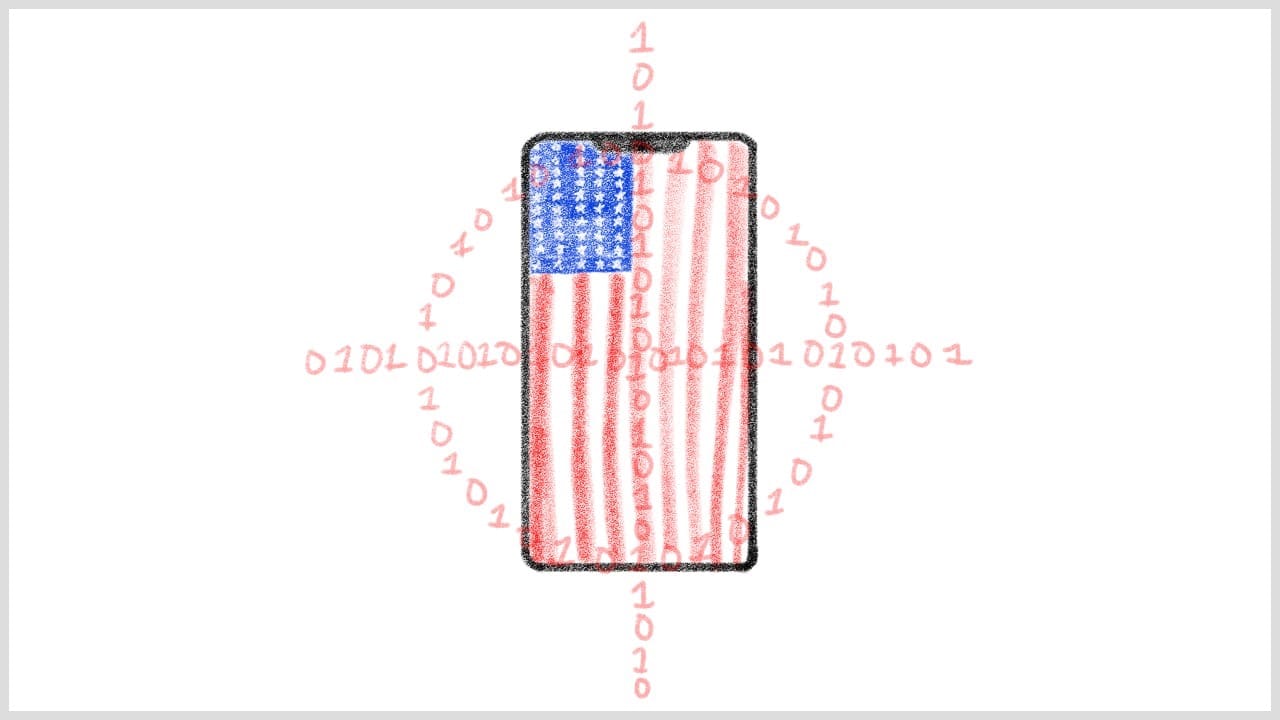
Though I've previously shared stories about how data brokers are exposing U.S. troops, this is a new angle on that story. Apps marketed specifically to American soldiers are also reportedly using computer code from nations, such as Russia and China, who are deemed adversaries to the U.S. Military. This is potentially as bad as it sounds.
A wrap
Thanks for reading this week's stories! I'll see you next time with five more illustrations and articles revealing how cybersecurity and privacy affect all of our non-digital lives.
Danny